Headache Treatment After Care
Here's what to expect and how to support your recovery in the days following your session.
What to expect
Neck soreness or stiffness
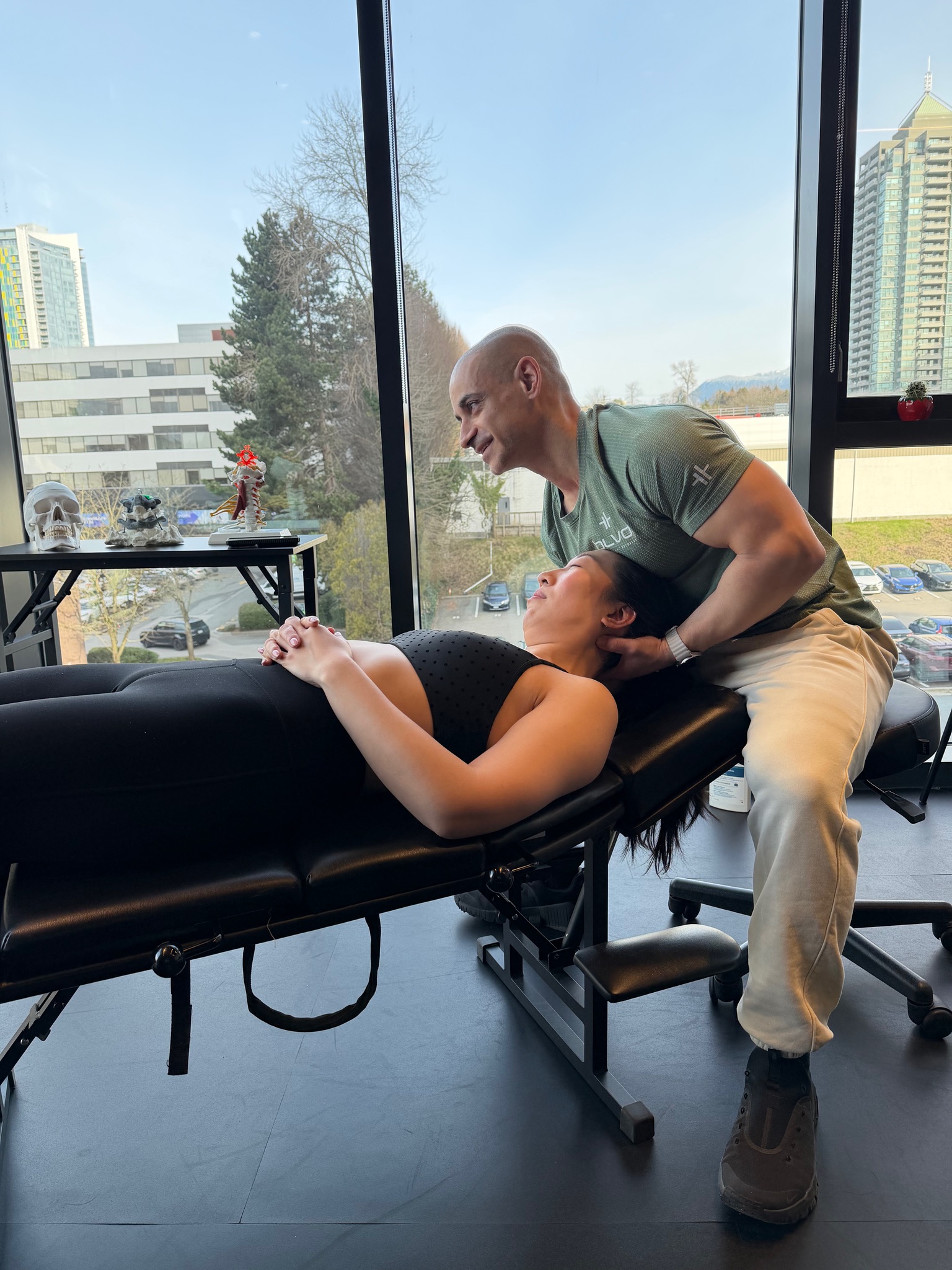
Some aching in the upper cervical area for 24-48 hours is normal after gentle manual therapy. The technique uses sustained pressure, not cracking; soreness is usually mild.
Symptoms reproduced during treatment
Your therapist may briefly reproduce your headache during assessment. This is intentional: it confirms the correct segment has been identified. The sensation settles immediately when pressure is released.
Possible post-session headache
A mild headache after your session is uncommon but can occur. It is not a sign of harm. Your therapist will adjust technique in subsequent sessions if this happens.
Gradual improvement over sessions
Many patients notice changes in headache frequency or character before intensity drops. Improvement often builds across sessions 3-6, not always after session 1.

What helps and what to avoid
The Watson Headache Approach relies on your day-to-day response to gauge progress. Maintaining your regular routine between sessions gives your therapist important information about what is changing.
Track each headache: date, time, duration, intensity (1-10), and location. Progress often appears in patterns first: fewer headaches, shorter duration, before intensity drops. This data is essential for your therapist.
Dehydration is one of the most consistent headache triggers. Drink water steadily throughout the day, especially on treatment days.
A cervical or contour pillow maintains proper upper neck alignment during sleep. Poor sleep positioning can undo daytime progress.
Specific neck positioning and strengthening exercises prescribed by your therapist reinforce the improvements made in session. Do not substitute with generic stretches.
Do not crack your own neck during your course of treatment. This interferes with the precise upper cervical corrections your therapist is making.
Extended screen time, reading in bed, or sustained phone use loads the upper cervical spine. Break it up; set a reminder to change position every 20-30 minutes.
Stomach sleeping holds the neck in end-range rotation for hours. Sleep on your back or side with your prescribed pillow support.
Alcohol is a reliable headache trigger and disrupts sleep quality, both of which work against your recovery.
Asymmetric shoulder loading creates tension that refers directly into the upper neck and head.
What to expect over time
Your therapist identifies the specific cervical segments contributing to your headaches. Symptom reproduction during sessions is expected and guides treatment. Begin your headache diary now.
Changes in headache pattern begin to emerge: fewer episodes, shorter duration, or reduced intensity. These shifts are early signs the brainstem is desensitizing. Report any changes to your therapist.
A structured review assesses progress. Most patients have experienced meaningful, lasting change in headache frequency and intensity by this point. Treatment continues or adjusts based on response.
With ongoing posture awareness, prescribed home exercises, and ergonomic adjustments, most patients maintain results without regular treatment. Periodic check-ins as needed.
These are general expected outcomes. Everyone responds differently depending on the nature and duration of their condition, their overall health, and how consistently they follow their home program.
- Sudden, severe "thunderclap" headache: go to Emergency immediately
- Headache with fever, stiff neck, and light sensitivity (possible meningitis)
- Completely new vision changes, speech difficulties, or one-sided weakness that appear after treatment and are not part of your usual migraine pattern: go to Emergency
- Headaches significantly worsen after 4-5 sessions with no change in pattern whatsoever
- A new headache that is clearly different in character from your usual pattern
Common questions
Direct Billing Available · ICBC Approved · Open Monday to Saturday 8:00 am - 8:00 pm